|
$$PLAIN_TEXT_PREVIEW$$

|
“We believe that by fostering a connection to wildlife, we can help lead more fulfilling and meaningful lives.”-Hope Swinimer
|
|
|
|
|
|
Sometimes, you just have to savor the moment.There's no rushing a porcupine. This little porcupine is returning home to the wild at his own pace, which is fine with us. He's one of 74 porcupines we have received this year! Some come to us as orphans, many come to us as a result of being hit by cars, and others come to us with a skin disease called mange. People often ask how we can handle porcupines without getting quilled. We have very thickly coated rubber gloves that the porcupine's quills won't get stuck in! Click the image above to watch his release. |
|
|
|
|
|
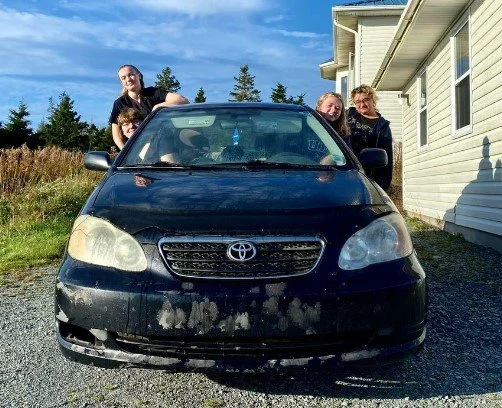
We are in need of some new wheels!
|
|
|
Our well-used, well-loved, and faithful 2006 Toyota car is about to make its last trip...
Each year we host dozens of interns from all around the world to come and stay with us and learn all about wildlife rehabilitation while gaining real-world experience. Having a vehicle for them to use is important, and not just for them to get around and run normal errands and have time off - it's a work car! We need a vehicle for them to help with wildlife rescues and releases, transfers of animals from our remote clinics, quick runs for supplies, and much more.
Without one, we aren't operating as efficiently as we could!
We are looking for a generous Nova Scotian donor who is able to supply us with a replacement vehicle. It can be an older car but it needs to be safety-inspected for at least one year and not needing much in terms of repair.
If you think you can help us out, please reach out to us at info@hopeforwildlife.net
|

|
We’re happy to be able to offer an official Hope for Wildlife calendar, featuring beautiful photos. Share in some of our stories and those of our patients over the last few years - all profits go toward our mission: Rescue, rehabilitate, and release back into the wild injured and orphaned wildlife. Educate others about the importance of conserving wild animals and the ecosystems that sustain them. Research and develop the knowledge and understanding necessary for the conservation and management of wildlife.
Get your calendar while supplies last! CA$20.00
|
|
|
"Old World Christmas" collectable glass ornament to brighten your tree. CA$25.00
|
|

|
|
|
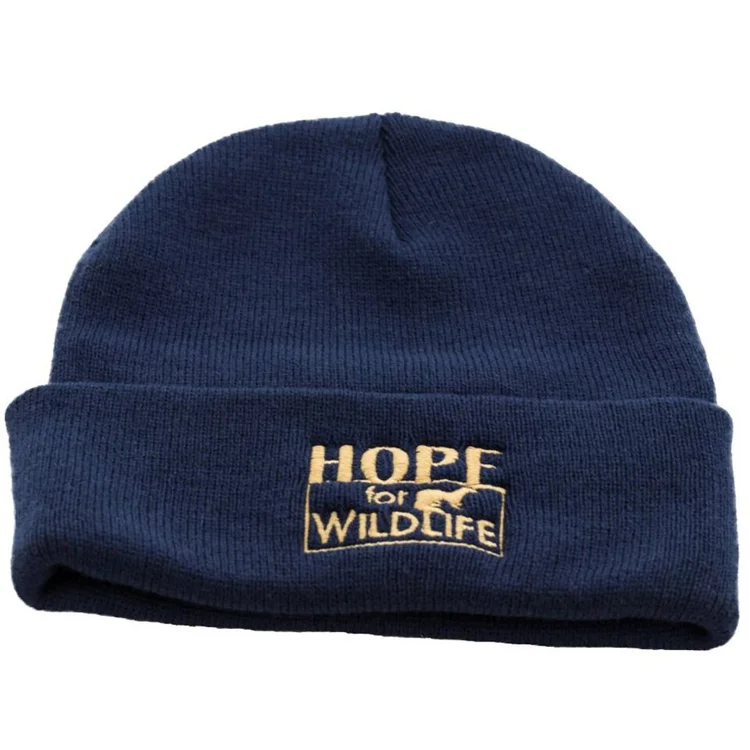
Brave the winter in a warm and cozy Hope for Wildlife toque! This official navy blue, one-size, unisex Hope for Wildlife toque with embroidered logo was inspired by our volunteers who have their own individual styles but all share the common goal of keeping their heads warm! In a pinch, the brim can be folded down to protect your ears from the cold. CA$20.00
|
|
|
Warm and cozy Microfleece Men's Regular fit jackets that can be worn fall, winter and early spring. Hip adjusters if required CA$55.00
|
|

|
|

|
Newly arrived warm and cozy Microfleece ladies fitted jackets which can be worn for fall, winter and early spring. Hip adjusters to fit snugly when required. CA$55.00
|
|
|
Drink up, Little OneThis delicate 3 gram Ruby-throated Hummingbird had her migration interrupted after being attacked by a cat. Hummingbirds have fast metabolisms, and they need to visit multiple flowers a minute in order to consume up to seven calories daily. That doesn't sound like much, but if they were human-sized that would translate to about 155,000 calories a day!In North America cats are not a native species, but were introduced by humans - and our wildlife isn't prepared for how good cats are at hunting. Some statistics suggest that predation by domestic cats is the number-one direct, human-caused threat to birds in the United States and Canada. Worldwide domestic cats have contributed to the extinction of 63 species of animals. Watch the little guy feed by clicking here or the image below!
|
You are our Inspiration!It is because people care that makes the work we do so important.Please consider making a donation today. You can make a one time donation or become a monthly donor.
|
|
|
|
One hundred and eleven days later...That's how long this snapping turtle took to recover from being hit by a car. The tire had grazed her face, breaking her lower jaw - making it unable for her to eat. She spent much of her recuperative time with her lower jaw wired back together and with a feeding tube inserted into her neck. After many surgeries, much medication, and a lot of hands-on care, she finally got to go home a few days ago. We hope she'll go on to lay many eggs over the rest of her 70 year life span! Click on the image above or click here to watch the release! |
|
|
|
|
|
Did you know that Hope for Wildlife has an Amazon Wishlist . As we continue to rehabilitate more and more animals, the supplies we require grows. Check out our wish list to see if you can help.Items from the Amazon wish list will be shipped directly to Hope for Wildlife5909 Highway 207, Seaforth, Nova Scotia ,B0J 2L0
|
|
|
No, No - This pile needs to be with that pile!Our baby beavers are preparing for winter by moving around everything in their enclosure. Beavers have an innate ability to build - a skill that is improved with experience. They will be with us another whole year to develop it before they will be ready for release. Enrichment is an extremely important part of wildlife rehabilitation - it improves an animal's health and well being and increases the rate at which they heal and grow. Natural substrates (dirt, rock, grass, wood chippings), branches, logs, ramps, tubs, leaves, dens, and heat and water sources all are exposed to chewing, pooping, rain, snow, sun - you name it. Watch them move about by clicking the image below!
|
|
|
|
My new house is made of food!This groundhog was hanging around someone's yard, not able to use his back legs much, dragging them a bit behind him as he moved about.Our exam revealed some head trauma and spinal trauma, but we didn't see anything broken on the x-rays. Fortunately, with time and treatment he was able to fully recover! Phew.You never know what's going to happen when you release an animal back into the wild. Sometimes the run off, bounding into the distance. Or they saunter away. Or fly into a tree and watch you intently. Then there's this groundhog, who seemed fascinated by the abundance of greenery around him and couldn't resist just stopping and having lunch right then and there. You can watch the release here or click the pic above! |
|
|
|
|
|